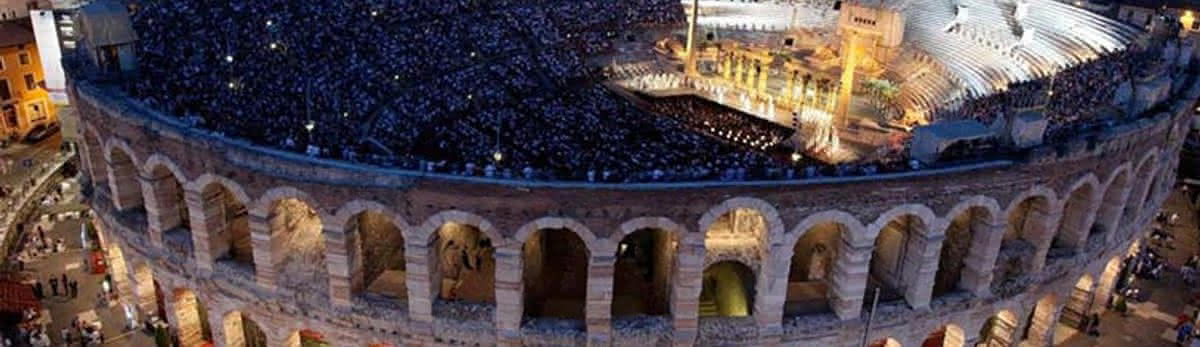
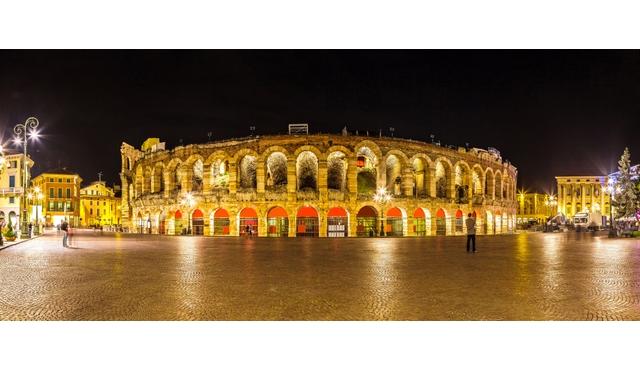
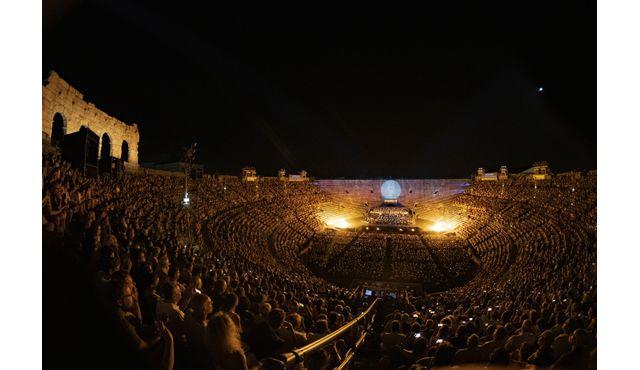
 Arena di Verona, © Photo: Ennevi | Courtesy of Fondazione Arena di Verona
 Arena di Verona 2027
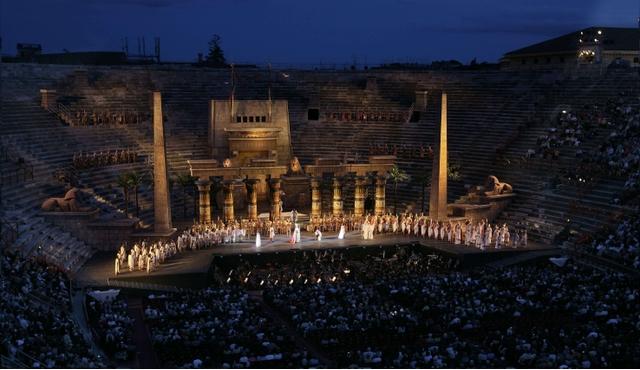
Step into the enduring legacy of the Arena di Verona, a venue steeped in a century of opera history. Allow yourself to be swept away by the captivating performances of world-renowned artists, showcasing Verdi's Aida, Nabucco or La Traviata, Bizet's Carmen, or Carmina Burana, each delivered with unparalleled passion and artistry.
This historic amphitheatre resonates with legendary voices, inviting you to immerse yourself in the enchanting world of opera. Join us in commemorating a century of extraordinary music, as the Arena di Verona remains an iconic destination for opera aficionados worldwide. Indulge in the timeless art of opera at this Roman masterpiece.
Search results for 'Arena di Verona 2027'
-
-
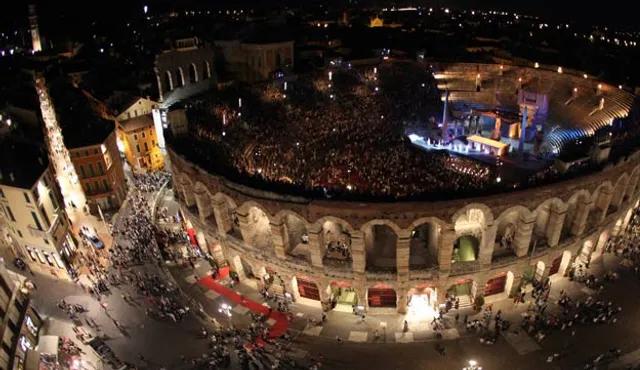
Arena di Verona 2027: Opera and Standing Dinner
Verona, Arena di Verona
+ more dates
-
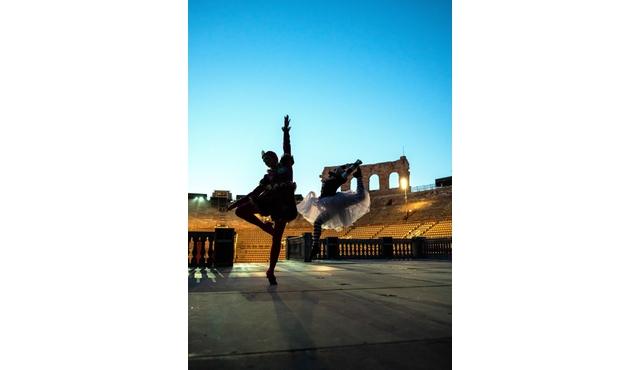
Romeo and Juliet: Arena di Verona Opera Festival 2027
Verona, Arena di Verona
+ more dates
2 h 50 min -
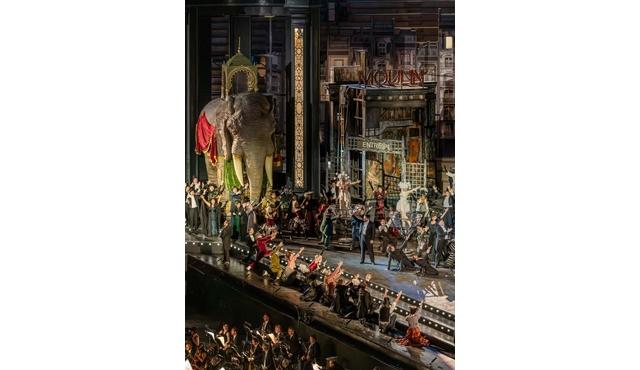
-
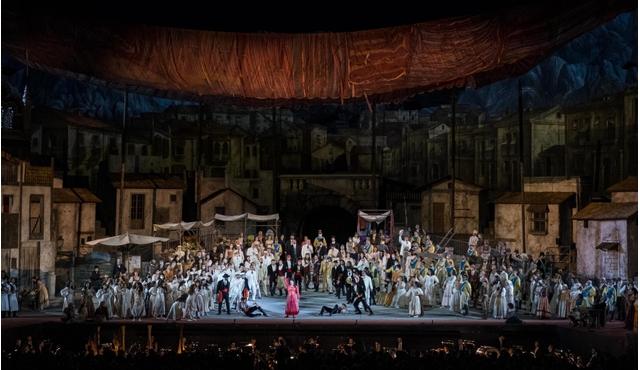
Carmen: Arena di Verona Opera Festival 2027
Verona, Arena di Verona
+ more dates
3 h 45 min -
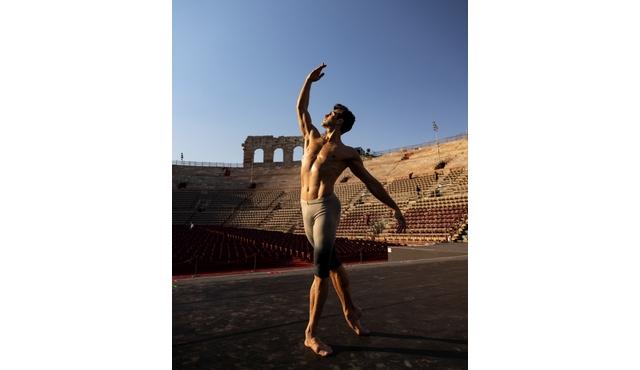
-
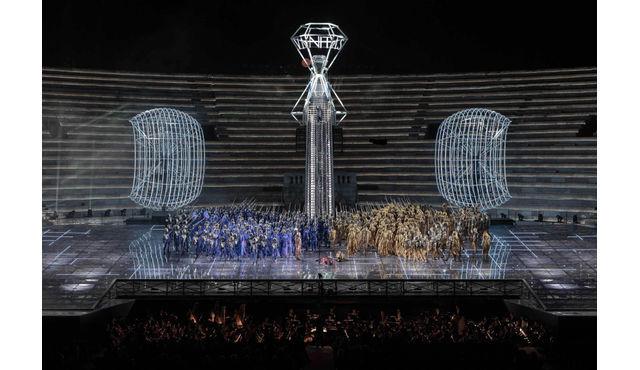
-
-
Jonas Kaufmann in Opera 2027 at Arena di Verona
Verona, Arena di Verona
2 h -
-
-
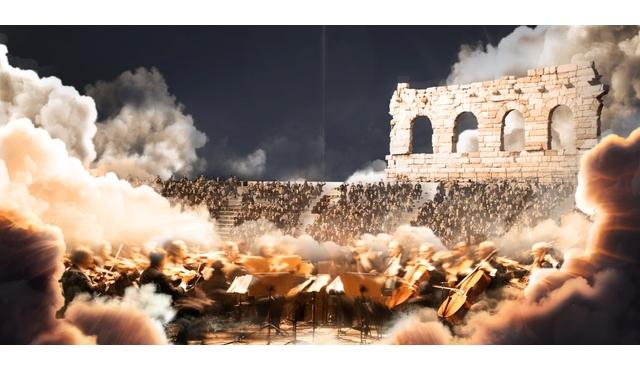
Arena di Verona Opernfestival 2027: Paganini Paradise. Superlive Immersive Concert
Verona, Arena di Verona
-
Arena di Verona: A Roman Amphitheater Unlike Any Other
Built around 30 AD and still standing in near-perfect condition on Verona's Piazza Bra, the Arena di Verona is one of the largest and best-preserved Roman amphitheaters in the world. What the Colosseum is to Rome's skyline, the Arena is to Verona's heart — except here, the crowds still come every summer, not to witness spectacle from the past, but to experience it live.
The structure spans 152 meters in length and rises 30 meters above street level. Its pink and white limestone tiers can accommodate close to 15,000 spectators, making it one of the largest functioning outdoor performance venues on earth. For context: this is a venue where ancient Roman engineering and modern stagecraft share the same footprint — no roof, no amplification, just stone and sky.
Verona itself is a UNESCO World Heritage Site, and the Arena sits at its center, steps from the medieval streets and the Adige River. The amphitheater served gladiatorial combat for centuries before falling quiet; it was revived for opera in 1913 and hasn't looked back. More than a century of performances have left no dent in the stone. It endures.
What draws audiences here isn't only the program — it's the place itself. There is no indoor opera house, no gilded ceiling, no velvet curtain. There is pink Roman stone, open Italian sky, and the faint sound of the city breathing around you.
The Arena di Verona Experience
Arriving at the Arena after dark, the first thing you register is scale. The tiers rise steeply in every direction, and by the time 15,000 people have filled those ancient seats, the amphitheater feels genuinely alive — not as a ruin, but as what it was always built to be: a place for crowds to gather and witness something together.
The candle tradition is one of the Arena's most recognized rituals. As the sun sets over Piazza Bra, audience members light small candles before the performance begins, ringing the entire bowl in soft, flickering light. It happens without announcement. One moment the amphitheater is dark; the next it glows.
The acoustics are a product of geometry that Roman engineers understood intuitively. Sound carries across open stone with a clarity that modern designers spend careers trying to replicate. From the upper tiers, you are far from the stage — but not excluded from it. The Arena performs for the whole crowd at once.
A summer evening in Verona, 15,000 people, centuries of stone, and no roof between you and the stars: that is the Arena di Verona experience.
For more background on the Verona Opera Festival and what to expect from the season, visit our Verona Opera guide.
Visiting the Arena di Verona
Getting there: The Arena sits on Piazza Bra in central Verona. Verona Porta Nuova railway station is a 10-minute walk.
Arrival: Gates open approximately 90 minutes before the performance. Arriving early lets you find your seats in daylight and soak in the pre-show atmosphere.
What to bring:
A cushion — if seated on the stone tiers (gradinata). Rental cushions are available on-site, but bringing your own is more comfortable. Seats in the stalls (inner arena) are fully upholstered.
A light jacket. Summer evenings cool quickly after 10 PM.
Binoculars. Useful for upper-tier seats.
Dress code: Smart casual for general seating. For premium stalls (poltronissime/poltrone): jacket expected for men, elegant attire for women. Shorts, tank tops, and sandals are not permitted in stall sections.
Frequently Asked Questions
Where is the Arena di Verona
On Piazza Bra in historic central Verona — 10 minutes on foot from Verona Porta Nuova railway station.
What is the seating capacity of the Arena di Verona?
Approximately 15,000 spectators — one of the largest functioning outdoor venues in the world and the third-largest surviving Roman amphitheater.
What is the dress code for Arena di Verona?
Smart casual for general stone seating. Premium stalls (poltronissime/poltrone) require a jacket for men, elegant attire for women. Shorts, tank tops, and sandals not permitted in stall sections.
How early should I arrive at the Arena di Verona?
Gates open ~90 minutes before start. Arriving 60 minutes early is recommended — find your seats in daylight before the crowd fills in.
