Toynbee Hall
London, United Kingdom
History of Toynbee Hall
In 1873 a Church of England curate, Samuel Barnett, and his wife, Henrietta rejected the easy option of a parish in an affluent area and came to St Judes in the East End of London, the Bishop commenting 'St Judes was the worst parish…inhabited mainly by a criminal population.'
The Barnetts worked tirelessly to address these problems but came increasingly to the conclusion that a truly radical approach was needed; the idea was to bring the most privileged — the future elite — to live in the poorest area of London; a privilege for which they had to pay. Through educating the future leaders and opinion formers the Barnetts hoped to change society for the better.
Residents
Toynbee Hall opened its doors to residents in 1884 taking its name from Arnold Toynbee a young academic and earlier associate of the Barnetts who died — probably of overwork — serving the poor.
Historically, key individuals came to Toynbee Hall as young men and women before going on to make an impact in their chosen field. Key residents include Clement Attlee and William Beveridge, who both maintained a life long connection with Toynbee Hall.
Social Reform
Many other important institutions of social reform started their life at Toynbee Hall including the Workers Educational Association in 1903 (currently the largest single provider of adult education in the UK), one of the first Citizens' Advice Bureaux in 1949, and the Child Poverty Action Group in 1965.
Toynbee's location was at the heart of both Jewish and Irish immigrant communities and Toynbee residents quickly became involved in campaigning for ethnic minorities and in the thirties against the rise of fascism. Activity was not restricted to what might be described as social policy or welfare issues. The founder of the Olympic movement spent time at Toynbee, Marconi demonstrated his wireless for the first time in the UK at Toynbee, while the artist and craftsman Ashbee was also deeply involved and is credited with designing the Toynbee 'tree of life' logo.
Toynbee Hall%u2019s position with one foot in the establishment and the other amongst the poor and emerging union and labour activists in the East End made it a natural go‐between, for example, the meeting which brokered the end of the 1926 General Strike is widely regarded as happening at Toynbee Hall.
Address
Toynbee Hall, 28 Commercial Street, E1 6LS London, United Kingdom, Google Maps
Search results for 'Toynbee Hall'
-
RPO: Brahms Violin Concerto
London, Cadogan Hall
2 h 10 min -
Composer spotlight: Schubert by Candlelight
London, St Mary Le Strand Church
-
Mozart and Moonlight by Candlelight
London, St Mary Le Strand Church
+ more dates
1 h -
RPO: Sibelius Violin Concerto
London, Cadogan Hall
2 h 10 min -

Bach Brandenburg Concertos at Christmas at St Mary le Strand
London, St Mary Le Strand Church
-
RPO x Anthony Gabriele: The Moonwalkers: Live in Concert
London, Royal Albert Hall
2 h 20 min -
RPO: Mozart Revealed
London, Cadogan Hall
1 h -
-
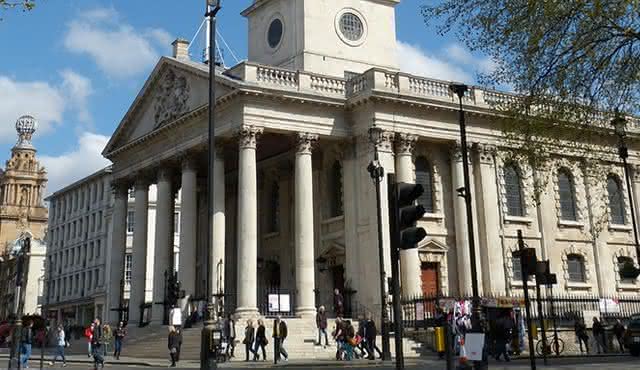
Christmas Classics by Candlelight
London, St. Martin‐in‐the‐Fields
1 h -
-
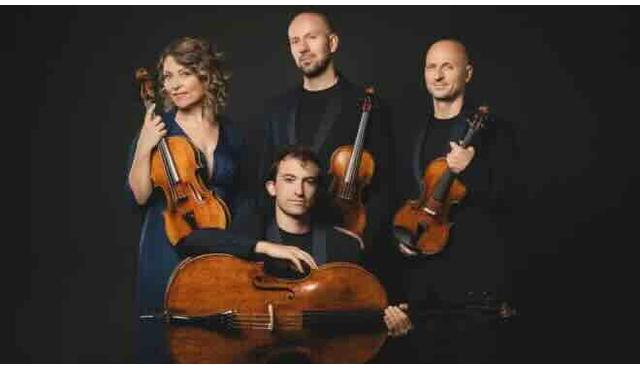
Sunday Concerts at Conway Hall: Noûs Quartet
London, Conway Hall
2 h -
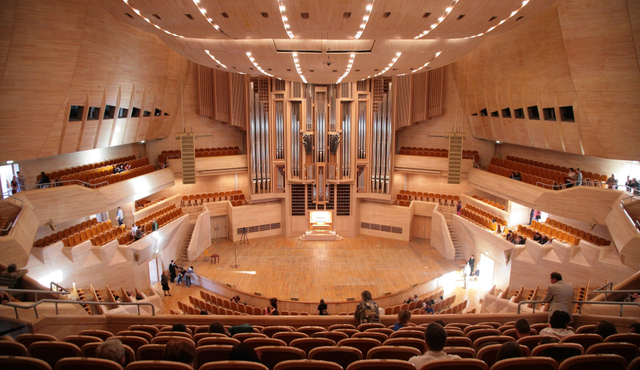
RPO: Tchaikovsky 2
London, Cadogan Hall
2 h 10 min -
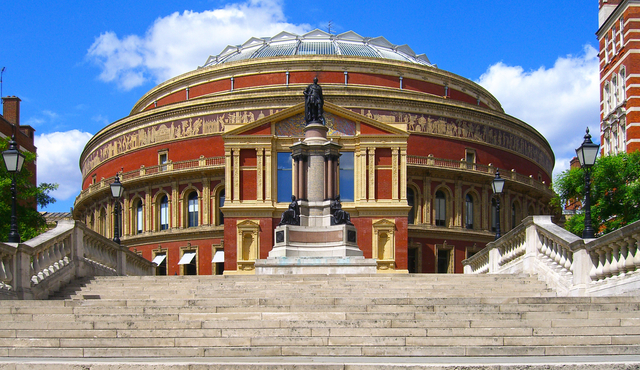
RPO x Michael England: Symphonic Soul: A Celebration of Motown and More
London, Royal Albert Hall
2 h 30 min -

Sunday Concerts at Conway Hall: “In Music Is Such Art” with Harriet Burns, Mark Padmore & Ian Tindale
London, Conway Hall
2 h -
-

-
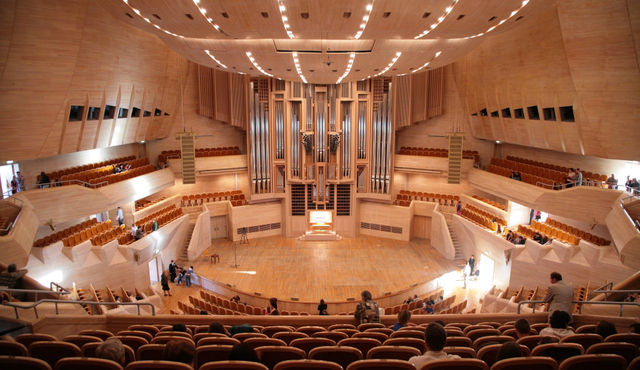
RPO: Liszt Hungarian Fantasy — Hommage á Cziffra
London, Cadogan Hall
2 h 10 min -
-
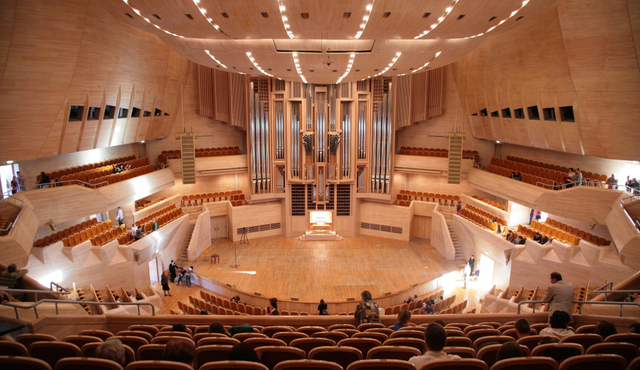
RPO: ’S Wonderful — Timeless Love Songs
London, Cadogan Hall
2 h 30 min -
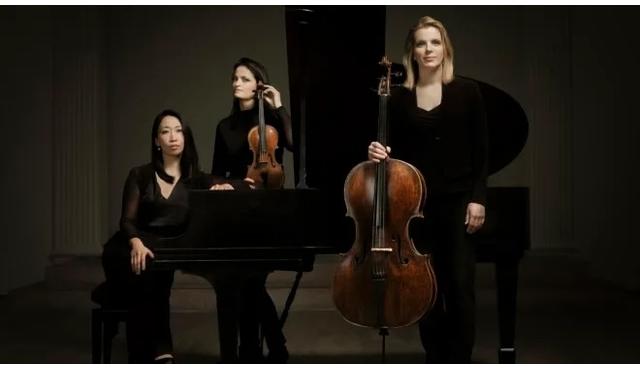
Sunday Concerts at Conway Hall: Greenwich Trio & Boris Bizjak
London, Conway Hall
2 h -
-
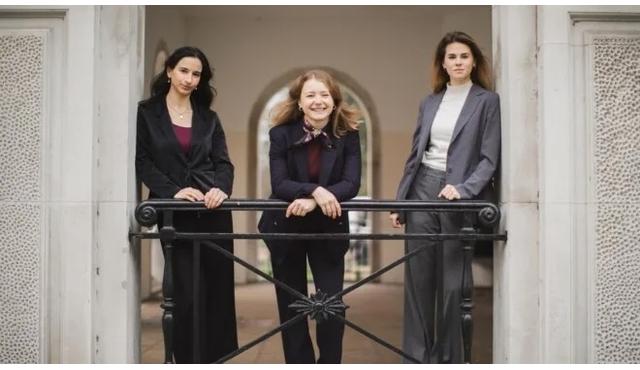
Sunday Concerts at Conway Hall: Aida Piano Trio
London, Conway Hall
2 h -
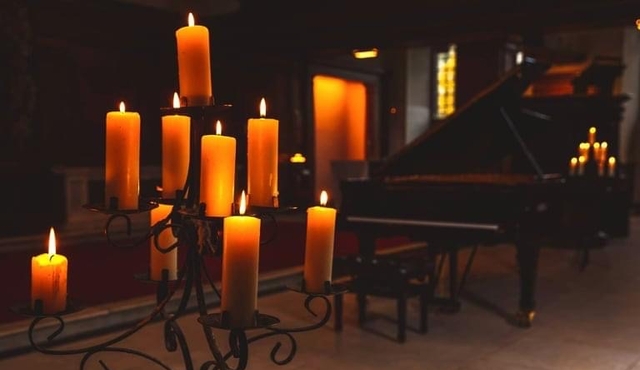
Moonlight Sonata by Candlelight at St Paul's Covent Garden
London, St Pauls Covent Garden
-