The Four Seasons by Vivaldi in Naples
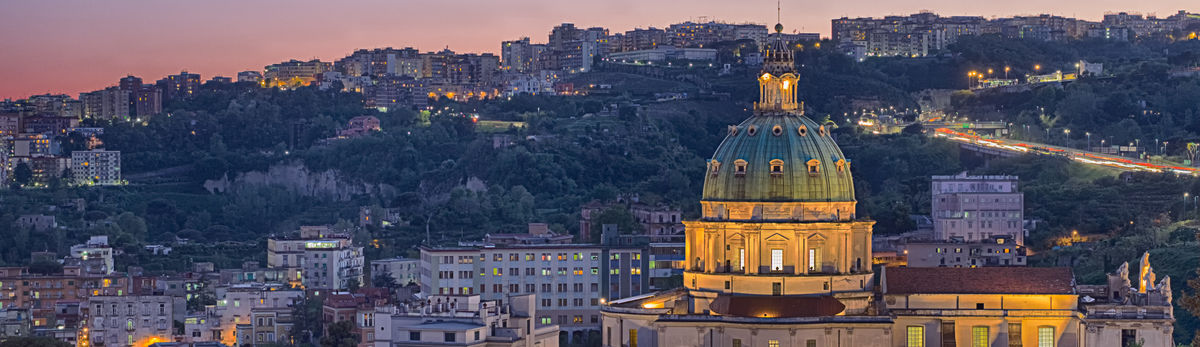
Naples, Chiesa Monumentale di Santa Maria la Nova
About the Event
Witness the evocative power of Antonio Vivaldi's 'The Four Seasons' performed by strings quintet and harpsichord in the wonderful Chiesa Monumentale di Santa Maria la Nova of Naples.
Music representing the moods of the four seasons has always been popular, and Baroque composers such as Werner and Fischer among others produced cycles of concertos representing the fours seasons. But none were to do so in such precise pictorial detail as Antonio Vivaldi in his Four Seasons concerto.
The whole Baroque epoch showed a deep interest in the amazing natural changes determined by the seasons. Bernini itself represented them in its fine sculptures. Baroque art has a dramatic conception of the relationship between man and nature and between man and the universe. Galileo’s discoveries brought about a shift in the position of man, who was no longer at the center of the cosmos. As a consequence, a new attitude of awe and wonder towards the power of nature emerged.
Vivaldi’s Four Seasons are a symbol of his era. Not only is the feeling of astonishment conveyed by his spectacular description of nature, but also by his musical language. The composition aims at astounding the listener with unusual melodies, created through increased rhythm and higher harmonic contrast. His music is thus freer, more fluid and able to better describe the story it wishes to narrate. The scenes range from the chirp of different birds in Spring, to Summer storms, from fleeing foxes in Autumn, to teeth chattering and rain pouring down in Winter. In accordance with the highest expression of baroque concepts, nature is dramatized, and the audience feels actively involved in the rapid succession of events taking place in the work of art.
The Complesso Monumentale di S. Maria la Nova is an authentic treasure chest of history, art and religiosity. Founded on May 10, 1279 on the hill overlooking the ancient Angevin port of Naples, this ancient Franciscan convent stands in the heart of the city's historic center. Over the centuries it has undergone numerous transformations, reflecting the different sensibilities and artistic styles that have followed one another. Its walls enclose traces of artistic stratifications, testifying to a rich and varied past.
Every corner of the Complex tells a story: from Renaissance sculptures to Baroque frescoes, from masterfully decorated chapels to works of art that adorn every space. The ability to bring together different styles and sensibilities makes S. Maria la Nova a place of particular interest and rare beauty. This fusion of historical and artistic elements offers a unique environment, where spirituality and culture meet.
Today, S. Maria la Nova is not only a monumental site of great historical and artistic value, but also a prestigious location that hosts numerous events including concerts of “Opera e Lirica” in the wonderful Chiesa Monumentale.
Programme
First half
Concerto F XI No.4 in A Major
Allegro molto/Andante molto/Allegro
Concerto “La Rustica” RV 151 in G Major
Presto/Adagio/Allegro
Concerto RV 127 in D Minor
Allegro/Adagio/Allegro
Second half
Concerto No.1 in E Major, RV 269, “SPRING”
Allegro/Largo/Allegro (Pastorale dance)
Concerto No.2 in G Minor, RV 315, “SUMMER”
Allegro non molto — Allegro/Adagio‐Presto‐Adagio/
Presto (Summer Storm)
Concerto No.3 in F Major, RV 293, “AUTUMN”
Allegro (Peasant Dance and Song)/Adagio molto
(Sleeping Drunkards)/Allegro (The Hunt)
Concerto No.4 in F Minor, RV 297, “WINTER”
Allegro non molto/Largo/Allegro
Program
- Antonio Vivaldi – The Four Seasons
Antonio Vivaldi
Antonio Vivaldi went down in history as a creator of the instrumental concert genre and the father of orchestral music. He was born in Venice on the 4th of March 1678. Vivaldi was a weak and sickly child suffering from asthma, however could not stop him from devoting himself completely to music. His father, Giovanni Batista a professional violinist, taught his elder son Antonio to play the violin. With his father young Antonio met the best musicians of Venice of that time and gave concerts in local churches. He also worked as a violin teacher and later as a music director at the orphanage Ospedalle della Pieta. Meanwhile he composed concertos, sacred works and vocal music and in 1713 he achieved great recognition with his sacred choral music. Vivaldi got captivated by the world of opera and worked both as opera composer and impresario at the Teatro San Angelo. In 1717 he obtained a prestigious position by the prince court in Manua as a director of secular music and worked there until around 1720. During that time he composed his world-renowned masterpiece The Four Seasons. In the 1730's his career dwindled as his music became unfashionable and the great composer died in poverty. It took the world two centuries to rediscover and reevaluate Vivaldi’s music, as it was buried into oblivion after his death. In the early 20th century many previously unknown works were found and immediately captured the hearts of the music lovers.
Address
Chiesa Monumentale di Santa Maria la Nova , Piazza Santa Maria la Nova, 44, Naples, Italy — Google Maps