Bach Cello Suites by Candlelight at St Mary Le Strand Church
London, St Mary Le Strand Church
About the Event
Step into the serene, candlelit splendour of St Mary le Strand and experience the timeless beauty of J.S. Bach’s Cello Suites. Nestled in the heart of London, this exquisite baroque church—rich in history and architectural grandeur—provides the perfect backdrop for an evening of musical reflection and inspiration.
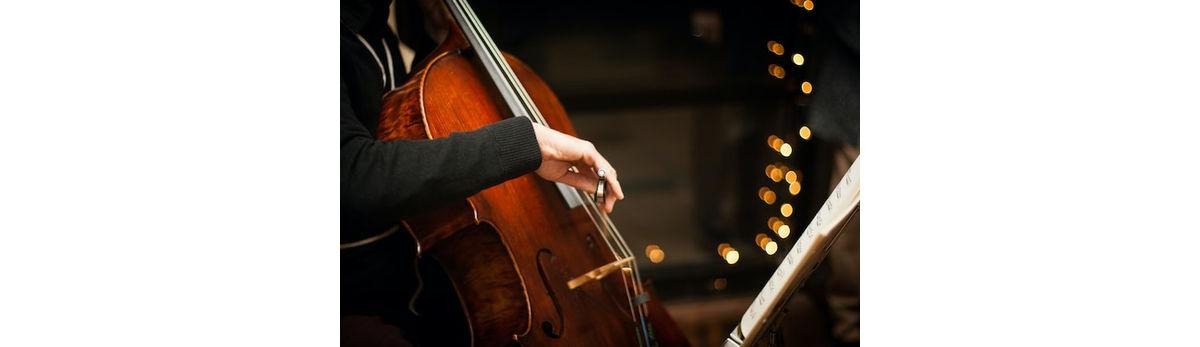
Regarded as some of the most profound works ever written for solo instrument, Bach’s Suites for Cello are a journey through grace, melancholy, strength, and serenity. In this special performance, you’ll hear three of the most beloved suites—each one a masterful expression of Bach’s genius and emotional depth.
Let the pure, unaccompanied voice of the cello transport you in a setting of breathtaking beauty, just steps from the bustle of the West End. With a wealth of bars and restaurants nearby, it’s an ideal way to begin your weekend with elegance and artistry.
Program
- Johann Sebastian Bach – Suite No. 1 in G major
- Johann Sebastian Bach – Suite No. 2 in D minor
- Johann Sebastian Bach – Suite No. 3 in C major
Artists
| Cello: | Wallis Power |
|---|
Johann Sebastian Bach
The name Bach and the word musician had long been synonyms in Germany as the world saw 56 musicians from this kin. But it was Johann Sebastian Bach, a genius composer and virtuoso organ player, who shed lustre on his family name. He was born on th 31st of March 1685 in Eisenach, a small town in Thuringia. At the age of 10 he became an orphan and was brought up by his elder brother Johann Christoph, who was an organist in a neighbouring town. His brother was the one to teach music to the young Johann Sebastian. Later he moved to Luneburg where he attended a church school and mastered the techniques of playing violin, viola, piano and organ by the age of 17. Besides that, Bach was a choir singer and later after his voice broke he became a chanter’s assistant. In 1703 Bach was hired as a court musician in the chapel of Duke Johann Ernst III. He earned such a good reputation there that he was later invited to Arnstadt to be an organist at the New Church, where he wrote his best organ works. In 1723 he moved to Leipzig to be a chantor at St. Thomas Church where he stayed until his death of a stroke in 1750. In the year of his death he had undergone unsuccessful eye surgery which lead him to lose his eyesight. During that strenuous time his second wife Anna Magdalena helped him to write his last musical pieces. Bach’s artistic legacy is vast. He created compositions in all genres of the time: oratorias, cantatas, masses, motets, music for organ, piano and violin.
Address
St Mary Le Strand Church, Strand, London, United Kingdom — Google Maps