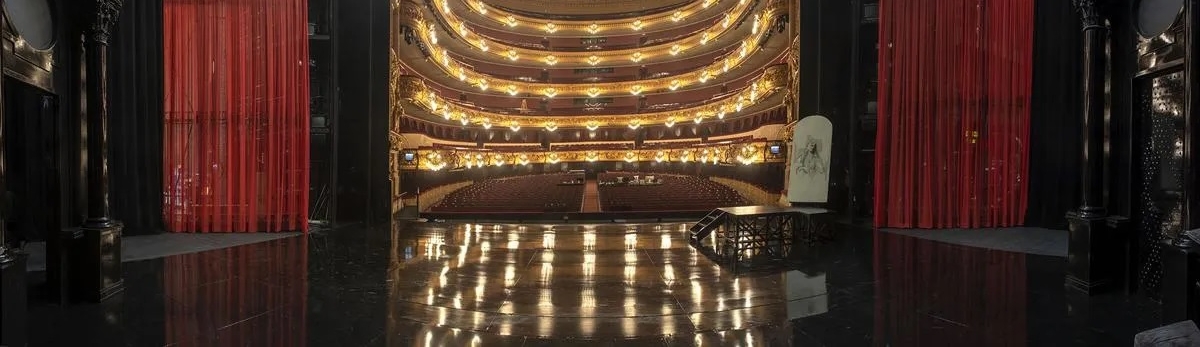
Opera at Gran Teatre del Liceu Barcelona
Opera at Gran Teatre del Liceu Barcelona is one of the defining cultural experiences the Catalan capital has to offer. Standing proudly on La Rambla since 1847, the Liceu is not only Barcelona's principal opera house but one of the most storied musical venues in all of Europe. Its combination of 19th-century grandeur, a dramatic history of destruction and rebirth, and a consistently world-class programme makes it a destination that speaks to seasoned opera lovers and curious first-time visitors alike.
For travellers looking to add a truly memorable evening to their time in Barcelona, the Liceu delivers. Its location on Barcelona's most famous boulevard means that a performance here is easily combined with a meal in the Gothic Quarter, a stroll through the old town, or a late drink overlooking the port. On Classictic, you can browse upcoming opera performances at Gran Teatre del Liceu and book your tickets with ease.
Search results for 'Opera at Gran Teatre del Liceu Barcelona'
-
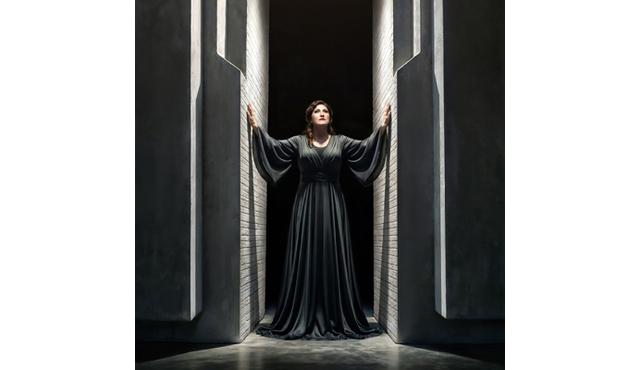
Gran Teatre del Liceu: Aida
Barcelona, Gran Teatre del Liceu
+ more dates
4 h -
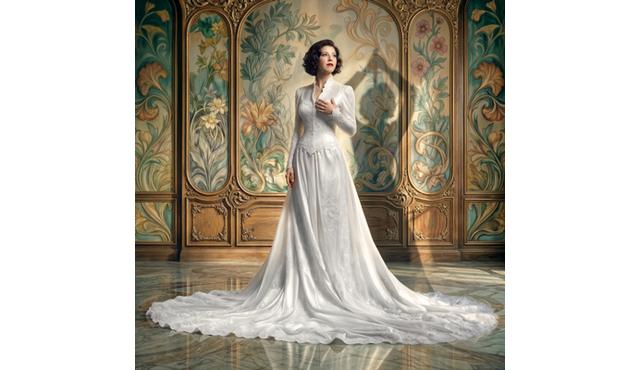
Gran Teatre del Liceu: I Capuleti e i Montecchi
Barcelona, Gran Teatre del Liceu
+ more dates
2 h 50 min -

Gran Teatre del Liceu: Verdi's Requiem
Barcelona, Gran Teatre del Liceu
-
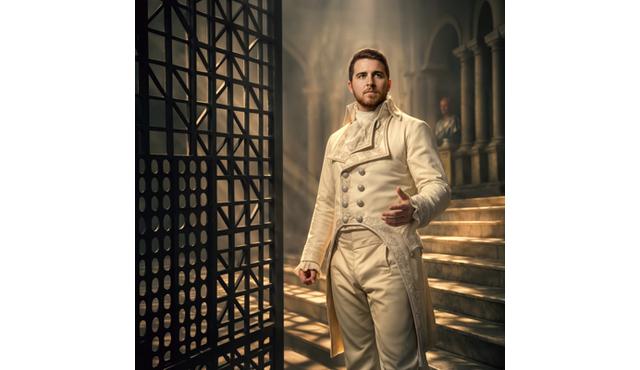
Gran Teatre del Liceu: La clemenza di Tito
Barcelona, Gran Teatre del Liceu
+ more dates
2 h 40 min -
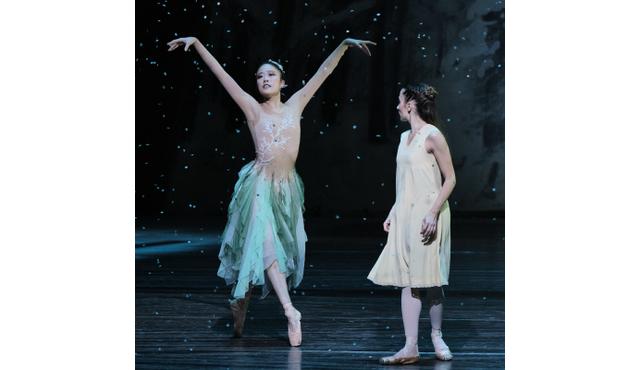
Gran Teatre del Liceu: The Nutcracker — Badisches Staatsballett Karlsruhe
Barcelona, Gran Teatre del Liceu
+ more dates
-
Gran Teatre del Liceu: La Bohème
Barcelona, Gran Teatre del Liceu
+ more dates
2 h 30 min -

New Year's Concert of the Gran Teatre del Liceu
Barcelona, Gran Teatre del Liceu
-
Gran Teatre del Liceu: Les pêcheurs de perles (concert version)
Barcelona, Gran Teatre del Liceu
2 h 30 min -
Gran Teatre del Liceu: The Rhine Gold
Barcelona, Gran Teatre del Liceu
+ more dates
-
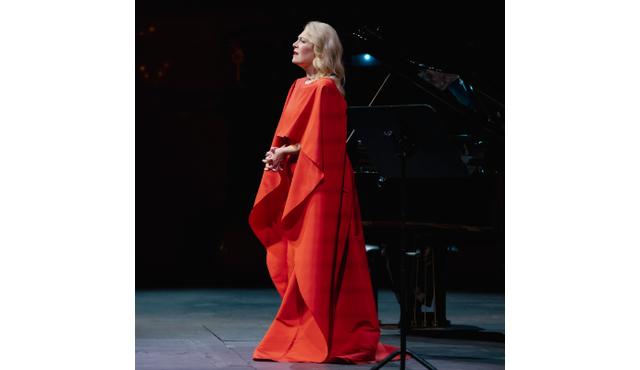
Sondra Radvanovsky returns to the Liceu
Barcelona, Gran Teatre del Liceu
-

Gran Teatre del Liceu: The Girl from the West
Barcelona, Gran Teatre del Liceu
+ more dates
2 h 45 min -
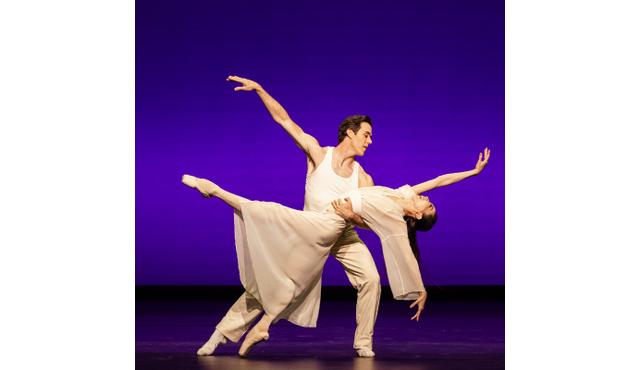
Grand Ballet Gala at the Liceu
Barcelona, Gran Teatre del Liceu
-

Gran Teatre del Liceu: A night with Anna Netrebko, Brian Jagde and George Petean
Barcelona, Gran Teatre del Liceu
-
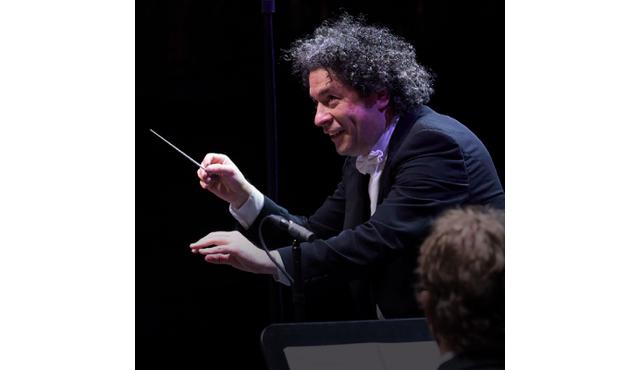
Gran Teatre del Liceu: Dudamel conducts Scheherazade
Barcelona, Gran Teatre del Liceu
-
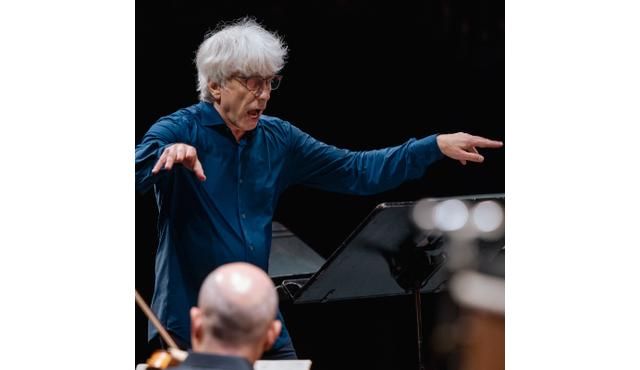
Gran Teatre del Liceu: Händel's Il trionfo del Tempo e del Disinganno
Barcelona, Gran Teatre del Liceu
2 h 30 min -
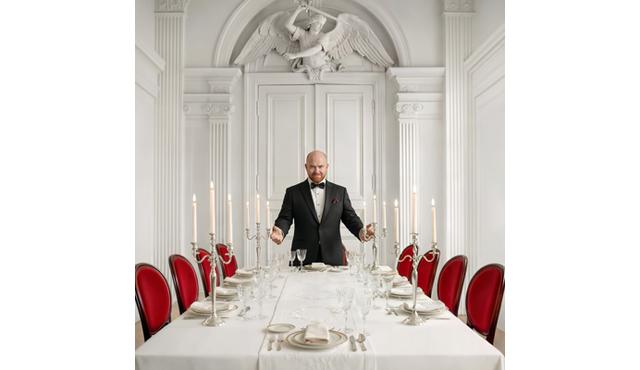
Gran Teatre del Liceu: The Exterminating Angel
Barcelona, Gran Teatre del Liceu
+ more dates
2 h 15 min -
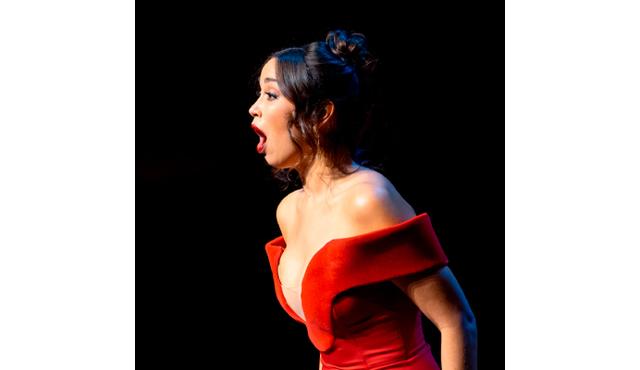
Nadine Sierra, A Journey through Opera
Barcelona, Gran Teatre del Liceu
-
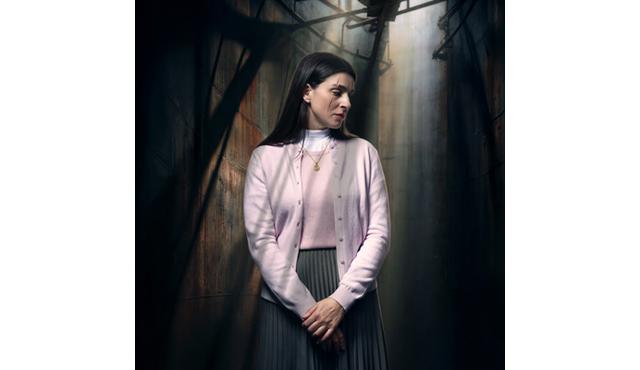
Gran Teatre del Liceu: Jenůfa
Barcelona, Gran Teatre del Liceu
+ more dates
2 h 35 min -
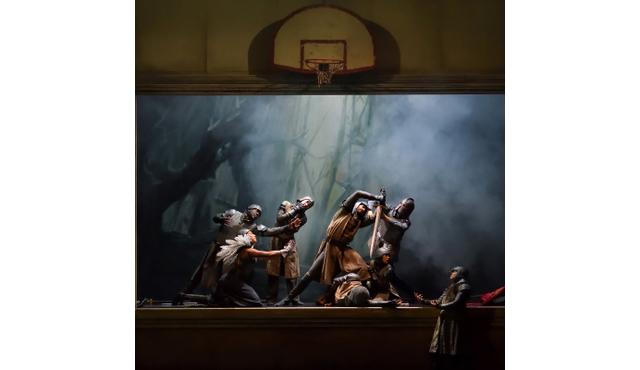
Gran Teatre del Liceu: Assembly Hall — Kidd Pivot — Crystal Pite
Barcelona, Gran Teatre del Liceu
+ more dates
1 h 30 min -
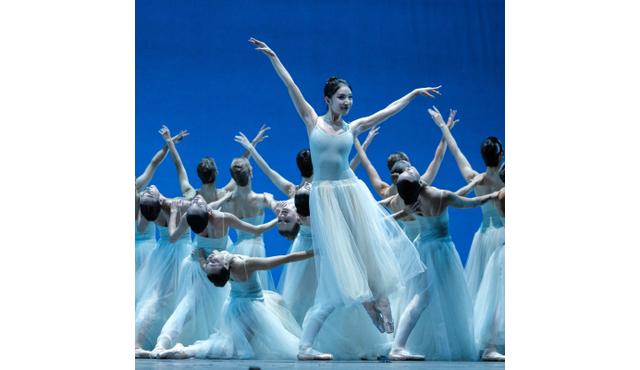
Gran Teatre del Liceu: NumEros — Compañía Nacional de Danza
Barcelona, Gran Teatre del Liceu
+ more dates
1 h 45 min

A Theatre Shaped by Fire and Resilience
The story of the Liceu is inseparable from Barcelona itself. Founded in 1847 through private initiative rather than royal patronage — an unusual model for a European opera house of that era — it quickly became a cultural landmark and a symbol of Catalan civic ambition. The theatre suffered a devastating fire in 1861, was rebuilt within a year, endured a tragic attack in 1893, and then faced its greatest crisis in January 1994, when a fire during routine maintenance destroyed almost the entire interior.
What followed was remarkable. Rather than modernise the space beyond recognition, Barcelona chose to reconstruct the auditorium faithfully, restoring the original horseshoe-shaped hall with its five tiers and gilded ornamentation while equipping the stage with cutting-edge theatrical technology. The Liceu reopened in 1999 with Puccini's Turandot — the same opera that had been in production when the fire broke out. Those interested in exploring more of the city's musical scene can also discover Events in Barcelona or other Concert Venues in Barcelona on Classictic.
Inside the Liceu — Architecture and Atmosphere
Stepping into the Gran Teatre del Liceu feels like entering a different century. The neoclassical façade on La Rambla gives way to a grand marble vestibule and the celebrated Hall of Mirrors, both of which survived the 1994 fire. The auditorium itself, seating around 2,300, is intimate by opera house standards despite its size — the horseshoe layout brings every tier close to the stage, and the acoustics reward both the powerful chorus and the quietest solo voice.
The blend of faithfully restored 19th-century decoration — polychrome plasterwork, brass fixtures shaped like dragons and glass tulips, deep red velvet — with modern stage infrastructure gives the Liceu a character that is simultaneously historic and forward-looking. It is a theatre that takes its past seriously without being trapped by it.
Your Evening at the Liceu
An opera evening at the Liceu has its own distinctive rhythm. The house sits right on La Rambla, so arrival is part of the experience — the energy of Barcelona's most famous street gives way to the hush of the foyer in a matter of steps. The atmosphere inside is elegant but welcoming; Barcelona's cultural life has always had a relaxed confidence about it, and the Liceu reflects that. There is no rigid dress code, though most guests choose smart casual or slightly more formal attire to match the surroundings.
Productions at the Liceu are known for their ambition. The repertoire balances the great Italian and German traditions — Verdi, Puccini, Wagner — with newer works and contemporary staging concepts. The theatre's history of hosting legendary voices, from Montserrat Caballé to Plácido Domingo, speaks to the calibre of artist the Liceu attracts, and that standard continues today.
Getting There and Practical Tips
The Liceu's position on La Rambla makes it one of the most accessible opera houses in any European city. The Liceu metro station is directly below the theatre, and many hotels in the Barri Gòtic, El Raval, and Eixample are within walking distance. Taxis and ride services drop off at the door. For those combining opera with a full evening out, the surrounding streets are full of restaurants, tapas bars, and wine bars that suit any pre-show timeline.
Guided tours of the building are available during the day, offering a closer look at the architecture, the Hall of Mirrors, and the backstage areas. For architecture enthusiasts and anyone curious about the theatre's extraordinary story of resilience, it is well worth the visit even outside of performance hours.
Why Opera at Gran Teatre del Liceu Is Worth It
Gran Teatre del Liceu is more than an opera house — it is a living piece of Barcelona's identity. Its story of repeated reinvention mirrors the city's own restless creative spirit, and an evening here connects you to nearly two centuries of musical tradition on one of Europe's most vibrant streets. Whether it is your first opera or your fiftieth, the Liceu offers a setting that makes the experience feel singular.
On Classictic, you can explore the current programme at Gran Teatre del Liceu Barcelona and find the right performance for your visit. With a clear overview of dates, productions, and seating options, planning your opera evening is straightforward and reliable.
